2 treatment centers
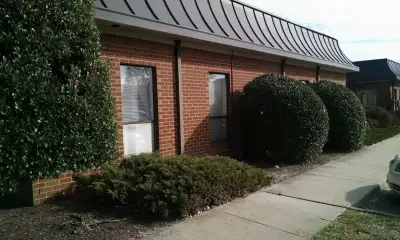
BHG Chesapeake South Treatment Center
Chesapeake, Virginia
BHG Chesapeake Treatment Center
Chesapeake, Virginia
No centers match
Try a different search term
2 SAMHSA-listed treatment centers in Chesapeake, Virginia. Free, confidential help available 24/7 — most callers reach a licensed counselor in under 60 seconds.
Chesapeake, Virginia
Chesapeake, Virginia
Try a different search term
Chesapeake, Virginia has 2 SAMHSA-verified addiction treatment centers offering a range of evidence-based programs. Substance use disorders affect millions of Americans, and access to quality, evidence-based treatment is critical to recovery.
Available programs in Chesapeake include, 2 outpatient programs, 1 dual diagnosis (co-occurring mental health) program. All listed facilities are sourced directly from the federal SAMHSA National Registry of Substance Abuse Treatment Services.
Most treatment centers in Chesapeake accept Medicaid, Medicare, and major private insurance plans including Aetna, Cigna, BlueCross BlueShield, and UnitedHealthcare. Under the Affordable Care Act (ACA) and the Mental Health Parity Act, insurance providers are required to cover substance use disorder treatment at the same level as other medical conditions. Call (319) 271-2077 for a free insurance verification — no obligation, completely confidential.
When selecting from the 2 treatment options in Chesapeake, consider: the type and severity of the substance use disorder, whether co-occurring mental health conditions require dual diagnosis treatment, your insurance coverage and financial situation, the distance from home and your support network, and the facility's accreditation and evidence-based approach. Our helpline is available 24/7 at (319) 271-2077 to help match you with the right program — free and confidential.
Free, confidential assistance matching you with the right program in Chesapeake.
Treatment centers in Chesapeake accept most major insurance plans including Medicaid, Medicare, Blue Cross Blue Shield, Aetna, Cigna, and UnitedHealthcare. Many facilities also offer sliding scale fees and payment plans. Call (319) 271-2077 to verify your coverage before admission.
Medication-assisted treatment (MAT) for opioid use disorder is available in Chesapeake through multiple pathways: federally certified Opioid Treatment Programs (OTPs) dispensing methadone, office-based buprenorphine prescribers (now expanded after the X-waiver elimination), and extended-release naltrexone (Vivitrol) at clinics willing to administer the monthly injection. Each medication has clinical use cases — methadone for severe long-standing opioid use disorder, buprenorphine for outpatient maintenance, naltrexone for patients fully detoxed and committed to abstinence-based recovery.
Treatment programs serving Chesapeake, Virginia differ along several axes worth understanding before contact: intensity (outpatient through residential), specialty (population fit — adolescents, women-only, men-only, professionals, LGBTQ+, veterans, dual-diagnosis), modality emphasis (12-step versus secular versus evidence-based behavioral therapy versus medication-assisted treatment), and payor mix (commercial insurance, Medicaid, self-pay). Matching patient to program along these axes substantially improves engagement and outcome metrics compared to placement based on convenience or availability alone.
Veterans in Chesapeake have additional federal resources: the VA Mental Health Services (including addiction treatment), Veterans Crisis Line (988, press 1), VA Vet Centers (free, confidential counseling for combat-related issues including substance use), and Tricare-covered civilian treatment when VA care is unavailable. Service-connected substance-use disorders qualify for VA disability benefits. The VA's National Center for PTSD provides specialized trauma-focused care including for veterans whose substance use intersects with combat trauma.
Insurance coverage for addiction treatment in Chesapeake is governed by the Mental Health Parity and Addiction Equity Act (MHPAEA), which requires plans that cover substance-use treatment to do so at parity with medical/surgical benefits. In practice: if your plan covers a hospitalization for a heart condition, it must cover residential addiction treatment under comparable cost-sharing, day limits, and authorization requirements. The ACA further classifies substance-use disorder treatment as an Essential Health Benefit, meaning individual and small-group marketplace plans must include this coverage.
Logistics of admission to Chesapeake programs require some advance planning: transportation (some facilities provide pickup from airport or designated locations; others rely on patient/family arrangement), what to bring (clothing for the expected length of stay, personal hygiene items, insurance cards and government ID; many facilities prohibit electronics during early treatment phases), work/school notifications (FMLA paperwork if applicable), and pet/dependent care arrangements during the patient's absence.
PTSD intersects with substance use in many Chesapeake treatment-seeking patients, particularly those with combat history, sexual assault history, childhood trauma, or intimate-partner violence exposure. Trauma-informed treatment programs screen routinely for trauma history, train clinical staff in trauma-informed practice, avoid re-traumatization in program structure, and offer evidence-based trauma-focused therapies including EMDR, prolonged exposure, and cognitive processing therapy — modalities developed and validated largely through VA-funded PTSD research.
Employment re-entry after addiction treatment is a Chesapeake priority that intersects with long-term recovery sustainability. The Americans with Disabilities Act protects employees in recovery from discrimination based on past substance use (current illegal use is not protected). FMLA may apply to treatment-related absences. State vocational rehabilitation services offer career counseling, education funding, and job placement support. Recovery-friendly employer initiatives are emerging in many U.S. markets including Virginia.