1. Home
  2. States
  3. Utah
  4. Salt Lake City
SALT LAKE CITY, UTAH · TREATMENT GUIDE

Drug & Alcohol Rehab in Salt Lake City, Utah

8 SAMHSA-listed treatment centers in Salt Lake City, Utah. Free, confidential help available 24/7 — most callers reach a licensed counselor in under 60 seconds.

SAMHSA-listed Insurance accepted HIPAA confidential No commitment
8 treatment centers
Anicka Counseling Center

Anicka Counseling Center

Salt Lake City, Utah

Dual DiagnosisOutpatient
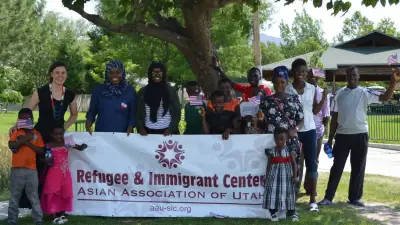
Asian Association of Utah

Asian Association of Utah

Salt Lake City, Utah

Outpatient
Connections Counseling Services

Connections Counseling Services

Salt Lake City, Utah

Outpatient
Journey Treatment Center

Journey Treatment Center

Salt Lake City, Utah

Residential RehabDual DiagnosisOutpatientDetox
New Roads Behavioral Health

New Roads Behavioral Health

Salt Lake City, Utah

Outpatient
Recovery Ways

Recovery Ways

Salt Lake City, Utah

Dual DiagnosisDetox
Red Willow Park City

Red Willow Park City

Salt Lake City, Utah

Outpatient
Salt Lake Behavioral Health

Salt Lake Behavioral Health

Salt Lake City, Utah

Residential RehabOutpatientDetox

No centers match

Try a different search term

Addiction Treatment in Salt Lake City, Utah

Salt Lake City, Utah has 8 SAMHSA-verified addiction treatment centers offering a range of evidence-based programs. Substance use disorders affect millions of Americans, and access to quality, evidence-based treatment is critical to recovery.

Available programs in Salt Lake City include 2 residential/inpatient rehab programs, 7 outpatient programs, 3 dual diagnosis (co-occurring mental health) programs, and 3 medical detox facilities. All listed facilities are sourced directly from the federal SAMHSA National Registry of Substance Abuse Treatment Services.

2
Residential Rehab
24/7 structured care
7
Outpatient Programs
Flexible scheduling
3
Dual Diagnosis
Mental health + addiction
3
Medical Detox
Medically supervised

Insurance Coverage in Salt Lake City

Most treatment centers in Salt Lake City accept Medicaid, Medicare, and major private insurance plans including Aetna, Cigna, BlueCross BlueShield, and UnitedHealthcare. Under the Affordable Care Act (ACA) and the Mental Health Parity Act, insurance providers are required to cover substance use disorder treatment at the same level as other medical conditions. Call (319) 271-2077 for a free insurance verification — no obligation, completely confidential.

How to Choose a Treatment Center in Salt Lake City

When selecting from the 8 treatment options in Salt Lake City, consider: the type and severity of the substance use disorder, whether co-occurring mental health conditions require dual diagnosis treatment, your insurance coverage and financial situation, the distance from home and your support network, and the facility's accreditation and evidence-based approach. Our helpline is available 24/7 at (319) 271-2077 to help match you with the right program — free and confidential.

Nearby Cities in Utah

West Jordan 4 Sandy 3 Orem 3 Spanish Fork 2 Saint George 2 Alpine 1 Tooele 1 Green River 1

Need Help Finding Treatment?

Free, confidential assistance matching you with the right program in Salt Lake City.

Insurance & Payment

Treatment centers in Salt Lake City accept most major insurance plans including Medicaid, Medicare, Blue Cross Blue Shield, Aetna, Cigna, and UnitedHealthcare. Many facilities also offer sliding scale fees and payment plans. Call (319) 271-2077 to verify your coverage before admission.

Frequently Asked Questions

How many rehab centers are in Salt Lake City, Utah?
There are 8 SAMHSA-verified treatment centers in Salt Lake City, Utah, including 3 dual diagnosis, 7 outpatient, 2 residential rehab, 3 detox programs.
Does insurance cover rehab in Salt Lake City?
Yes, most health insurance plans cover addiction treatment under the ACA and Mental Health Parity Act. Centers in Salt Lake City typically accept Medicaid, Medicare, and major private insurers. Call (319) 271-2077 to verify your coverage.
What types of treatment are available in Salt Lake City?
Salt Lake City treatment centers offer 3 dual diagnosis, 7 outpatient, 2 residential rehab, 3 detox. Many also provide medication-assisted treatment (MAT), individual and group therapy, and aftercare planning.
How do I choose a rehab center in Salt Lake City?
Consider the treatment approach, insurance acceptance, location convenience, specializations (dual diagnosis, trauma, age-specific programs), and accreditation. All 8 centers listed here are SAMHSA-verified.
Get Help in Salt Lake City Today

Free, confidential assistance available 24/7.

Call (319) 271-2077
Call (319) 271-2077
0 centers selected
(319) 271-2077
24/7 confidential · Free assessment

Co-occurring Mental-Health Support

Bipolar disorder requires specific clinical management in Salt Lake City addiction-treatment settings: medication stabilization typically precedes deeper psychotherapy work, manic-phase substance use must be distinguished from continued substance use during depressive phases, and treatment planning accommodates the mood-cycling nature of the condition. Patients with bipolar disorder benefit from longer treatment episodes and more intensive aftercare than typical residential patients — relapse risk runs higher and clinical stabilization takes longer.

Crisis & Family Resources

Domestic violence intersects with addiction in many Salt Lake City households. The National Domestic Violence Hotline (1-800-799-SAFE) provides 24/7 support and connects callers to local resources including emergency shelter, legal advocacy, and counseling. Utah domestic-violence shelters generally accept residents with active addiction; they may require sobriety on premises but do not gatekeep based on substance-use history. Many advocate for integrated treatment addressing both safety and recovery simultaneously.

Levels of Care Available in Salt Lake City

Withdrawal severity is the first clinical screening factor for treatment entry in Salt Lake City. Patients showing or at risk for moderate-to-severe alcohol or benzodiazepine withdrawal typically require medically managed detox before transitioning to lower-intensity care — untreated severe alcohol withdrawal carries 5% mortality and severe benzodiazepine withdrawal can be fatal. Opioid use patients face a different pathway: detox-only is rarely effective for opioid use disorder, and evidence-based protocols typically initiate medication-assisted treatment (buprenorphine or methadone) during the stabilization phase.

Admission Process

Logistics of admission to Salt Lake City programs require some advance planning: transportation (some facilities provide pickup from airport or designated locations; others rely on patient/family arrangement), what to bring (clothing for the expected length of stay, personal hygiene items, insurance cards and government ID; many facilities prohibit electronics during early treatment phases), work/school notifications (FMLA paperwork if applicable), and pet/dependent care arrangements during the patient's absence.

Aftercare & Long-Term Recovery

Mutual-support communities serving Salt Lake City-area residents include Alcoholics Anonymous, Narcotics Anonymous, SMART Recovery (cognitive-behavioral-based, secular), Refuge Recovery (Buddhist-influenced), LifeRing (peer-led, no spiritual framework), and Recovery Dharma. Research evidence consistently shows that sustained engagement with any mutual-support community is associated with improved long-term outcomes — the specific framework matters less than the engagement itself and the fit between framework and patient preference.

Insurance & Cost

Pre-authorization is the most common insurance friction for Salt Lake City patients entering residential addiction treatment. Insurers require clinical documentation that ASAM criteria for residential placement are met — specifically that lower-intensity outpatient care has been tried or is clinically insufficient, and that the patient's withdrawal risk, co-occurring conditions, or environmental factors require 24-hour structure. Treatment-provider clinical staff handle this documentation; patients can typically expect 24-48 hour authorization turnaround.

Treatment Landscape in Salt Lake City

Treatment-seeking patients in Salt Lake City navigate a continuum of substance-use care that includes ambulatory detox or medically managed inpatient withdrawal where clinically indicated, residential treatment for patients requiring 24-hour structure, partial hospitalization for those benefitting from intensive day programming, and outpatient counseling at lower intensities. The choice between these is rarely the patient's alone — clinical staff use ASAM Criteria documentation, insurance pre-authorization requirements, and patient-specific factors to recommend a placement that maximizes both safety and clinical effectiveness.