1. Home
  2. States
  3. North Carolina
  4. Charlotte
CHARLOTTE, NORTH CAROLINA · TREATMENT GUIDE

Drug & Alcohol Rehab in Charlotte, North Carolina

4 SAMHSA-listed treatment centers in Charlotte, North Carolina. Free, confidential help available 24/7 — most callers reach a licensed counselor in under 60 seconds.

SAMHSA-listed Insurance accepted HIPAA confidential No commitment
4 treatment centers
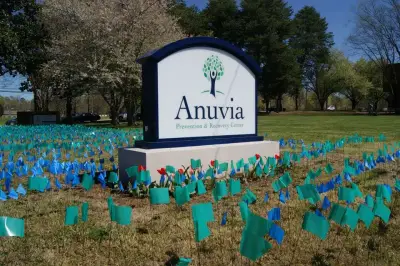
Anuvia Prevention and Recovery Center

Anuvia Prevention and Recovery Center

Charlotte, North Carolina

Residential RehabDual DiagnosisOutpatientDetox
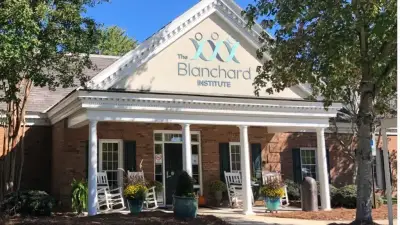
Blanchard Institute

Blanchard Institute

Charlotte, North Carolina

Outpatient
Child and Family

Child and Family

Charlotte, North Carolina

Outpatient
Dilworth Center

Dilworth Center

Charlotte, North Carolina

Dual DiagnosisOutpatient

No centers match

Try a different search term

Addiction Treatment in Charlotte, North Carolina

Charlotte, North Carolina has 4 SAMHSA-verified addiction treatment centers offering a range of evidence-based programs. Substance use disorders affect millions of Americans, and access to quality, evidence-based treatment is critical to recovery.

Available programs in Charlotte include 1 residential/inpatient rehab program, 4 outpatient programs, 2 dual diagnosis (co-occurring mental health) programs, and 1 medical detox facility. All listed facilities are sourced directly from the federal SAMHSA National Registry of Substance Abuse Treatment Services.

1
Residential Rehab
24/7 structured care
4
Outpatient Programs
Flexible scheduling
2
Dual Diagnosis
Mental health + addiction
1
Medical Detox
Medically supervised

Insurance Coverage in Charlotte

Most treatment centers in Charlotte accept Medicaid, Medicare, and major private insurance plans including Aetna, Cigna, BlueCross BlueShield, and UnitedHealthcare. Under the Affordable Care Act (ACA) and the Mental Health Parity Act, insurance providers are required to cover substance use disorder treatment at the same level as other medical conditions. Call (319) 271-2077 for a free insurance verification — no obligation, completely confidential.

How to Choose a Treatment Center in Charlotte

When selecting from the 4 treatment options in Charlotte, consider: the type and severity of the substance use disorder, whether co-occurring mental health conditions require dual diagnosis treatment, your insurance coverage and financial situation, the distance from home and your support network, and the facility's accreditation and evidence-based approach. Our helpline is available 24/7 at (319) 271-2077 to help match you with the right program — free and confidential.

Nearby Cities in North Carolina

Asheville 4 Wilmington 3 Raleigh 3 Hickory 3 Statesville 2 Greensboro 2 Boone 2 Lumberton 2

Need Help Finding Treatment?

Free, confidential assistance matching you with the right program in Charlotte.

Insurance & Payment

Treatment centers in Charlotte accept most major insurance plans including Medicaid, Medicare, Blue Cross Blue Shield, Aetna, Cigna, and UnitedHealthcare. Many facilities also offer sliding scale fees and payment plans. Call (319) 271-2077 to verify your coverage before admission.

Frequently Asked Questions

How many rehab centers are in Charlotte, North Carolina?
There are 4 SAMHSA-verified treatment centers in Charlotte, North Carolina, including 1 residential rehab, 2 dual diagnosis, 4 outpatient, 1 detox programs.
Does insurance cover rehab in Charlotte?
Yes, most health insurance plans cover addiction treatment under the ACA and Mental Health Parity Act. Centers in Charlotte typically accept Medicaid, Medicare, and major private insurers. Call (319) 271-2077 to verify your coverage.
What types of treatment are available in Charlotte?
Charlotte treatment centers offer 1 residential rehab, 2 dual diagnosis, 4 outpatient, 1 detox. Many also provide medication-assisted treatment (MAT), individual and group therapy, and aftercare planning.
How do I choose a rehab center in Charlotte?
Consider the treatment approach, insurance acceptance, location convenience, specializations (dual diagnosis, trauma, age-specific programs), and accreditation. All 4 centers listed here are SAMHSA-verified.
Get Help in Charlotte Today

Free, confidential assistance available 24/7.

Call (319) 271-2077
Call (319) 271-2077
0 centers selected
(319) 271-2077
24/7 confidential · Free assessment

Insurance & Cost

Medicaid coverage for addiction treatment in Charlotte depends on North Carolina's Medicaid program structure, expansion status, and any 1115 waivers in effect. The federal IMD Exclusion historically limited Medicaid coverage of large residential facilities; many states have obtained 1115 waivers expanding this coverage. Patients with Medicaid in North Carolina should contact their managed-care plan or the state Medicaid office to identify in-network addiction-treatment providers — many residential facilities accept Medicaid even when their primary patient mix is commercial.

Admission Process

Same-day or rapid admission to Charlotte programs is most often possible at facilities with rolling intake capacity, particularly during weekday business hours. Weekend admissions are increasingly common but require advance arrangement. Emergency department presentation with active overdose or severe withdrawal sometimes serves as a bridge to Charlotte treatment entry — hospital case managers can coordinate transfer to residential treatment directly from ED, particularly for patients with insurance that covers acute stabilization plus subsequent residential.

Co-occurring Mental-Health Support

Anxiety disorders complicate addiction recovery for many Charlotte patients, particularly in early recovery when anxiety symptoms often intensify without the substance previously used to suppress them. Treatment approaches include cognitive-behavioral therapy specifically for anxiety, judicious psychiatric medication management (avoiding benzodiazepines for most patients in addiction recovery given the dependence risk), structured exposure work, mindfulness-based interventions, and lifestyle interventions (sleep, exercise, caffeine moderation) that compound the formal treatment effects.

Crisis & Family Resources

Family members of Charlotte patients in active addiction can access support through Al-Anon, Nar-Anon, SMART Recovery Family & Friends, and Community Reinforcement and Family Training (CRAFT). CRAFT specifically teaches evidence-based techniques for engaging a reluctant family member into treatment — research shows approximately 70% of CRAFT participants successfully engage their loved one into treatment within 3-6 months, substantially higher than traditional intervention approaches.

Levels of Care Available in Charlotte

Detox alone — withdrawal management without subsequent treatment — produces poor outcomes across substance categories, with relapse rates approaching 80% in studies of opioid detox-only protocols. Charlotte providers typically integrate detox into a longer treatment episode: detox transitions seamlessly into residential or intensive outpatient care, with same-clinical-team continuity, rather than discharging patients post-detox without structured next-step care. This continuity is the single most impactful predictor of post-treatment success.

Aftercare & Long-Term Recovery

Employment re-entry after addiction treatment is a Charlotte priority that intersects with long-term recovery sustainability. The Americans with Disabilities Act protects employees in recovery from discrimination based on past substance use (current illegal use is not protected). FMLA may apply to treatment-related absences. State vocational rehabilitation services offer career counseling, education funding, and job placement support. Recovery-friendly employer initiatives are emerging in many U.S. markets including North Carolina.

Treatment Landscape in Charlotte

The decision to enter addiction treatment in Charlotte, North Carolina, often follows a precipitating event — an overdose, a medical complication, a legal consequence, a family ultimatum, a job loss, or simply an internal recognition that the substance use has become unmanageable. Whatever the trigger, the next step is usually an admissions call. Admissions counselors in Charlotte programs are trained to handle these conversations with people in active substance use, often experiencing shame and ambivalence, and to convert uncertain inquiries into safe transitions into clinical care.