4 treatment centers
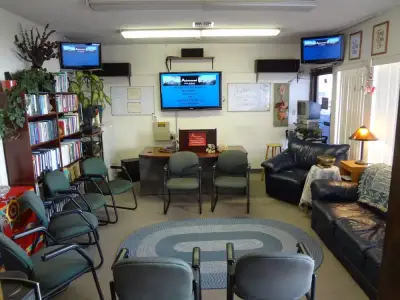
Advanced DUI and Counseling
Reno, Nevada
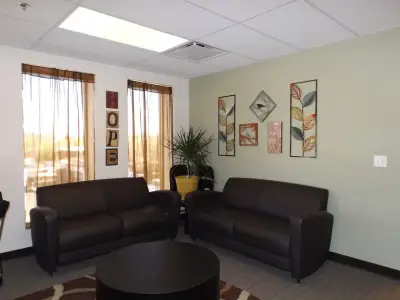
Bristlecone Family Resources
Reno, Nevada

Northern Nevada Hopes
Reno, Nevada

STEP2
Reno, Nevada
No centers match
Try a different search term
4 SAMHSA-listed treatment centers in Reno, Nevada. Free, confidential help available 24/7 — most callers reach a licensed counselor in under 60 seconds.
Reno, Nevada
Reno, Nevada
Reno, Nevada
Reno, Nevada
Try a different search term
Reno, Nevada has 4 SAMHSA-verified addiction treatment centers offering a range of evidence-based programs. Substance use disorders affect millions of Americans, and access to quality, evidence-based treatment is critical to recovery.
Available programs in Reno include 2 residential/inpatient rehab programs, 4 outpatient programs, 3 dual diagnosis (co-occurring mental health) programs, and 1 medical detox facility. All listed facilities are sourced directly from the federal SAMHSA National Registry of Substance Abuse Treatment Services.
Most treatment centers in Reno accept Medicaid, Medicare, and major private insurance plans including Aetna, Cigna, BlueCross BlueShield, and UnitedHealthcare. Under the Affordable Care Act (ACA) and the Mental Health Parity Act, insurance providers are required to cover substance use disorder treatment at the same level as other medical conditions. Call (319) 271-2077 for a free insurance verification — no obligation, completely confidential.
When selecting from the 4 treatment options in Reno, consider: the type and severity of the substance use disorder, whether co-occurring mental health conditions require dual diagnosis treatment, your insurance coverage and financial situation, the distance from home and your support network, and the facility's accreditation and evidence-based approach. Our helpline is available 24/7 at (319) 271-2077 to help match you with the right program — free and confidential.
Free, confidential assistance matching you with the right program in Reno.
Treatment centers in Reno accept most major insurance plans including Medicaid, Medicare, Blue Cross Blue Shield, Aetna, Cigna, and UnitedHealthcare. Many facilities also offer sliding scale fees and payment plans. Call (319) 271-2077 to verify your coverage before admission.
Personality disorders — particularly borderline personality disorder and antisocial personality disorder — are common in addiction-treatment populations and shape both treatment course and outcome. Reno programs increasingly incorporate Dialectical Behavior Therapy (DBT) skills training, mentalization-based therapy, and structured approaches to interpersonal-effectiveness building. Treatment for personality-disorder patterns typically requires longer treatment episodes than substance-only presentations and ongoing therapy well beyond the formal program completion.
Medication-assisted treatment (MAT) for opioid use disorder is available in Reno through multiple pathways: federally certified Opioid Treatment Programs (OTPs) dispensing methadone, office-based buprenorphine prescribers (now expanded after the X-waiver elimination), and extended-release naltrexone (Vivitrol) at clinics willing to administer the monthly injection. Each medication has clinical use cases — methadone for severe long-standing opioid use disorder, buprenorphine for outpatient maintenance, naltrexone for patients fully detoxed and committed to abstinence-based recovery.
Reno sits within Nevada's broader addiction-treatment infrastructure — a network of licensed providers ranging from medically supervised detox facilities through residential treatment, partial hospitalization, intensive outpatient, and standard outpatient counseling. Patients seeking care in Reno have access to options at multiple intensity levels, with placement decisions driven by ASAM criteria: withdrawal risk, biomedical conditions, emotional/behavioral status, readiness to change, relapse potential, and the patient's current recovery environment. The specific providers verified for Reno below represent facilities that have been confirmed against SAMHSA's treatment-locator database and Nevada licensing records.
Same-day or rapid admission to Reno programs is most often possible at facilities with rolling intake capacity, particularly during weekday business hours. Weekend admissions are increasingly common but require advance arrangement. Emergency department presentation with active overdose or severe withdrawal sometimes serves as a bridge to Reno treatment entry — hospital case managers can coordinate transfer to residential treatment directly from ED, particularly for patients with insurance that covers acute stabilization plus subsequent residential.
Veterans in Reno have additional federal resources: the VA Mental Health Services (including addiction treatment), Veterans Crisis Line (988, press 1), VA Vet Centers (free, confidential counseling for combat-related issues including substance use), and Tricare-covered civilian treatment when VA care is unavailable. Service-connected substance-use disorders qualify for VA disability benefits. The VA's National Center for PTSD provides specialized trauma-focused care including for veterans whose substance use intersects with combat trauma.
Self-pay arrangements in Reno treatment programs are often more flexible than insurance-based admission: payment plans (frequently 6-12 months interest-free for residential), medical credit lines (CareCredit, Wells Fargo Health Advantage), 401(k) hardship withdrawals (qualifying for substance-use treatment), family financing, and scholarship/financial-aid programs at specific facilities. Some Reno providers will negotiate cash rates substantially below their insurance billing rates — worth asking during admissions consultation.
Mutual-support communities serving Reno-area residents include Alcoholics Anonymous, Narcotics Anonymous, SMART Recovery (cognitive-behavioral-based, secular), Refuge Recovery (Buddhist-influenced), LifeRing (peer-led, no spiritual framework), and Recovery Dharma. Research evidence consistently shows that sustained engagement with any mutual-support community is associated with improved long-term outcomes — the specific framework matters less than the engagement itself and the fit between framework and patient preference.