- Home
- All States
- Michigan
- Madison Heights
Rehab in Madison Heights, Michigan
15 verified treatment centers in and around Madison Heights.
Verified centers in and around Madison Heights
15 centers from our verified catalog are in Madison Heights or within 25 miles of it in Michigan: 1 in Madison Heights itself and 14 in nearby towns, nearest first.

Catholic Charities of SE Michigan
Madison Heights, MI
Metropolitan Rehabilitation Clinics
Oak Park, MI · 5 mi away

Advanced Rapid Detox
Detroit, MI · 9 mi away
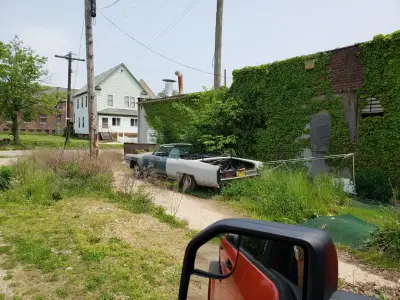
All Well Being Services
Detroit, MI · 9 mi away
Jefferson House
Detroit, MI · 9 mi away
Life Challenge Mental Health Services
Detroit, MI · 9 mi away
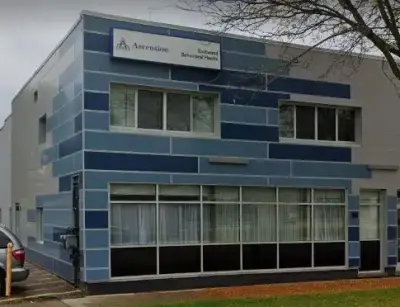
Ascesnion Eastwood Behavioral Health
Saint Clair Shores, MI · 11 mi away
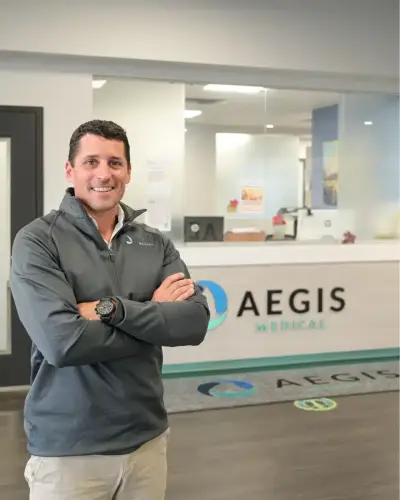
Aegis Medical
Grosse Pointe, MI · 13 mi away
CMS Dearborn Heights
Dearborn Heights, MI · 15 mi away
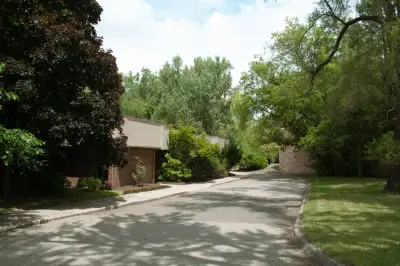
Arbor Medical
Livonia, MI · 16 mi away
Ascension Eastwood Behavioral Health
Livonia, MI · 16 mi away
Reed Behavioral Health
Walled Lake, MI · 19 mi away

All Opiates Detox
Wyandotte, MI · 21 mi away
Life Stance Health
Clarkston, MI · 22 mi away
North Oakland Counseling Associates
Clarkston, MI · 22 mi away
How this count is built: these are centers from our catalog of 1,194 verified centers nationwide, the same list as the Michigan state guide (38 centers) and our treatment search. A center counts here if it is in Madison Heights or its town is within 25 miles of Madison Heights in Michigan; distances are measured between town centers from the U.S. Census Bureau's 2023 Gazetteer.
SAMHSA locator listings for Madison Heights
SAMHSA lists 73 programs within 25 miles of Madison Heights in Michigan (FindTreatment.gov records, imported October 2025); none of them has a street address in Madison Heights. These are federal locator records, not our verified catalog, so they are counted separately from the centers above.
No treatment center in our SAMHSA-based records lists an address in Madison Heights, Michigan. Centers across the state are in the Michigan state guide, or call (866) 227-8929 for free help finding a program nearby.
How this list is built: a center is listed here only if it has a street address in Madison Heights, Michigan in its SAMHSA treatment-locator record. Another 2 records in our database carry Madison Heights as the city but give an address somewhere else, so they are not counted or shown on this page: 2 are in other Michigan cities (Lapeer 1, Port Huron 1). Statewide listings are in the Michigan state guide.
The 25-mile SAMHSA figure above counts only locator records whose street address confirms their own town, with distances measured between town centers; it is a count of federal records, separate from our verified catalog.
Filed under Madison Heights, located in another Michigan city:
- Catholic Charities of SE Michigan — Lapeer, MI
- Catholic Charities of SE Michigan Saint Clair County/SA Services — Port Huron, MI
Common questions
Rehab in Madison Heights: what people ask
How many rehab centers are in Madison Heights, Michigan?
How do I verify my insurance coverage?
Is help available 24/7?
Nearby in MICHIGAN
Other cities within Michigan
What happens when you call
Finding treatment in Madison Heights
Rehab in Madison Heights: 15 facilities, one small community economy, a specific version of Michigan's broader treatment pattern. Most published coverage of city-level addiction data smooths out precisely the variation that matters — facility-by-facility clinical framework, insurance-network status, whether a specific program offers MAT. That variation is what this page is for.
The Michigan context
The Michigan story reaches Madison Heights through specific mechanisms. Expanded Medicaid in 2014 under the ACA. Overdose rate 28.3 per 100,000. Upper Peninsula isolation plus Detroit-area fentanyl concentration Each of those state-level facts has a local echo in what is available in Madison Heights and on what terms.
How access actually works in Madison Heights
Three moves compress the Madison Heights search: call your plan's behavioral-health line (not member services) for an in-network list within 25 miles; cross-check that list against SAMHSA's federal locator; schedule a PCP visit specifically to discuss substance use. The three together take a week and produce more useful direction than weeks of calling facility admissions lines.
Regional and nearby options
in a community this size, broader regional search (the nearest metro, and in some cases cross-state options where cost-sharing permits) is typically the realistic path. Regional thinking — Madison Heights plus the nearest metro — usually produces a better clinical match than strict in-city search. Especially for co-occurring conditions, perinatal SUD, or adolescent programming where small community-level capacity is often thin.
Practical next steps
If this is week one of considering treatment in Madison Heights, do three unglamorous things: take the self-assessment on this site, call the SAMHSA helpline (1-800-662-HELP), schedule a PCP visit specifically about substance use. The Madison Heights facility search can wait until those three are done.
Official resources
Last updated April 2026. Sources: SAMHSA Treatment Locator, CDC WONDER, KFF Medicaid Tracker, ASAM Criteria 4e. See our editorial policy.