1. Home
  2. States
  3. Maryland
  4. Baltimore
BALTIMORE, MARYLAND · TREATMENT GUIDE

Drug & Alcohol Rehab in Baltimore, Maryland

7 SAMHSA-listed treatment centers in Baltimore, Maryland. Free, confidential help available 24/7 — most callers reach a licensed counselor in under 60 seconds.

SAMHSA-listed Insurance accepted HIPAA confidential No commitment
7 treatment centers
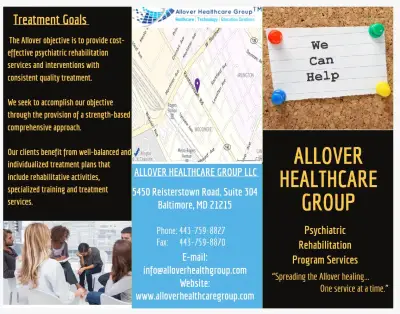
Allover Healthcare Group

Allover Healthcare Group

Baltimore, Maryland

Dual DiagnosisOutpatient
Changing Lives at Home Mental Health

Changing Lives at Home Mental Health

Baltimore, Maryland

Residential RehabOutpatient
Helping Up Mission

Helping Up Mission

Baltimore, Maryland

Residential RehabOutpatient
Heritage Treatment Center

Heritage Treatment Center

Baltimore, Maryland

Dual DiagnosisOutpatient
Native American Lifelines

Native American Lifelines

Baltimore, Maryland

Dual DiagnosisOutpatient
Next Step Treatment Center

Next Step Treatment Center

Baltimore, Maryland

Outpatient
Redeem Healthcare Medical Systems

Redeem Healthcare Medical Systems

Baltimore, Maryland

Outpatient

No centers match

Try a different search term

Addiction Treatment in Baltimore, Maryland

Baltimore, Maryland has 7 SAMHSA-verified addiction treatment centers offering a range of evidence-based programs. Substance use disorders affect millions of Americans, and access to quality, evidence-based treatment is critical to recovery.

Available programs in Baltimore include 2 residential/inpatient rehab programs, 7 outpatient programs, 3 dual diagnosis (co-occurring mental health) programs. All listed facilities are sourced directly from the federal SAMHSA National Registry of Substance Abuse Treatment Services.

2
Residential Rehab
24/7 structured care
7
Outpatient Programs
Flexible scheduling
3
Dual Diagnosis
Mental health + addiction

Insurance Coverage in Baltimore

Most treatment centers in Baltimore accept Medicaid, Medicare, and major private insurance plans including Aetna, Cigna, BlueCross BlueShield, and UnitedHealthcare. Under the Affordable Care Act (ACA) and the Mental Health Parity Act, insurance providers are required to cover substance use disorder treatment at the same level as other medical conditions. Call (319) 271-2077 for a free insurance verification — no obligation, completely confidential.

How to Choose a Treatment Center in Baltimore

When selecting from the 7 treatment options in Baltimore, consider: the type and severity of the substance use disorder, whether co-occurring mental health conditions require dual diagnosis treatment, your insurance coverage and financial situation, the distance from home and your support network, and the facility's accreditation and evidence-based approach. Our helpline is available 24/7 at (319) 271-2077 to help match you with the right program — free and confidential.

Nearby Cities in Maryland

Rockville 3 Westminster 2 Glen Burnie 2 Dundalk 1 Aberdeen 1 Havre de Grace 1 Abingdon 1 Silver Spring 1

Need Help Finding Treatment?

Free, confidential assistance matching you with the right program in Baltimore.

Insurance & Payment

Treatment centers in Baltimore accept most major insurance plans including Medicaid, Medicare, Blue Cross Blue Shield, Aetna, Cigna, and UnitedHealthcare. Many facilities also offer sliding scale fees and payment plans. Call (319) 271-2077 to verify your coverage before admission.

Frequently Asked Questions

How many rehab centers are in Baltimore, Maryland?
There are 7 SAMHSA-verified treatment centers in Baltimore, Maryland, including 3 dual diagnosis, 7 outpatient, 2 residential rehab programs.
Does insurance cover rehab in Baltimore?
Yes, most health insurance plans cover addiction treatment under the ACA and Mental Health Parity Act. Centers in Baltimore typically accept Medicaid, Medicare, and major private insurers. Call (319) 271-2077 to verify your coverage.
What types of treatment are available in Baltimore?
Baltimore treatment centers offer 3 dual diagnosis, 7 outpatient, 2 residential rehab. Many also provide medication-assisted treatment (MAT), individual and group therapy, and aftercare planning.
How do I choose a rehab center in Baltimore?
Consider the treatment approach, insurance acceptance, location convenience, specializations (dual diagnosis, trauma, age-specific programs), and accreditation. All 7 centers listed here are SAMHSA-verified.
Get Help in Baltimore Today

Free, confidential assistance available 24/7.

Call (319) 271-2077
Call (319) 271-2077
0 centers selected
(319) 271-2077
24/7 confidential · Free assessment

Insurance & Cost

Self-pay arrangements in Baltimore treatment programs are often more flexible than insurance-based admission: payment plans (frequently 6-12 months interest-free for residential), medical credit lines (CareCredit, Wells Fargo Health Advantage), 401(k) hardship withdrawals (qualifying for substance-use treatment), family financing, and scholarship/financial-aid programs at specific facilities. Some Baltimore providers will negotiate cash rates substantially below their insurance billing rates — worth asking during admissions consultation.

Treatment Landscape in Baltimore

The addiction-treatment landscape in Baltimore, Maryland, reflects the broader epidemiology of substance use in the region: alcohol use disorder remains the most prevalent diagnosis at treatment intake nationally, opioid use disorder presents the highest overdose mortality, stimulant use disorder is increasingly common (cocaine and methamphetamine), and polysubstance use is the rule rather than the exception. Baltimore providers structure programs to address this diversity — most treat the full range of substance-use disorders within an integrated clinical framework rather than maintaining substance-specific tracks.

Levels of Care Available in Baltimore

Medication-assisted treatment (MAT) for opioid use disorder is available in Baltimore through multiple pathways: federally certified Opioid Treatment Programs (OTPs) dispensing methadone, office-based buprenorphine prescribers (now expanded after the X-waiver elimination), and extended-release naltrexone (Vivitrol) at clinics willing to administer the monthly injection. Each medication has clinical use cases — methadone for severe long-standing opioid use disorder, buprenorphine for outpatient maintenance, naltrexone for patients fully detoxed and committed to abstinence-based recovery.

Admission Process

The intake process at most Baltimore residential programs begins with a comprehensive clinical assessment covering substance-use history (substance, quantity, duration, last use, withdrawal history), mental-health history, physical-health status (including medications and chronic conditions), social context (housing, employment, family, legal), and recovery history (prior treatment episodes, what worked, what didn't). The assessment typically takes 60-90 minutes and produces an initial treatment plan within 72 hours.

Crisis & Family Resources

Pregnant women in Baltimore with active substance use should not stop opioid use abruptly if dependent — withdrawal during pregnancy carries fetal risk including preterm labor and stillbirth. Evidence-based care is buprenorphine or methadone maintenance (NOT detox), continued through pregnancy and postpartum. Maryland maternal-fetal medicine specialists, OB-GYNs trained in addiction medicine, and SAMHSA's Center of Excellence for Pregnant and Postpartum Women with Opioid Use Disorder provide specialized care pathways for this population.

Co-occurring Mental-Health Support

Anxiety disorders complicate addiction recovery for many Baltimore patients, particularly in early recovery when anxiety symptoms often intensify without the substance previously used to suppress them. Treatment approaches include cognitive-behavioral therapy specifically for anxiety, judicious psychiatric medication management (avoiding benzodiazepines for most patients in addiction recovery given the dependence risk), structured exposure work, mindfulness-based interventions, and lifestyle interventions (sleep, exercise, caffeine moderation) that compound the formal treatment effects.

Aftercare & Long-Term Recovery

Relapse is statistically common in addiction recovery and does not signal treatment failure for Baltimore patients. National data shows roughly 40-60% of patients experience at least one relapse within the first year post-treatment, paralleling chronic-disease relapse rates (hypertension, asthma, diabetes). Treatment models increasingly frame addiction as a chronic condition requiring long-term management rather than acute episodes with cures. Relapse response should be immediate re-engagement with treatment, not discharge from the recovery community.