2 treatment centers
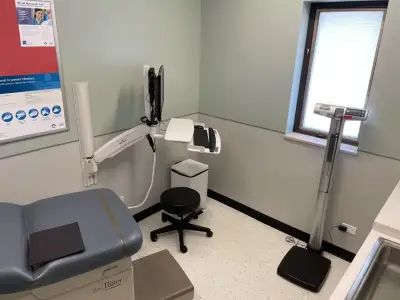
ACCESS Blue Island Medical Center
Blue Island, Illinois

Lifehouse Behavioral Health
Blue Island, Illinois
No centers match
Try a different search term
2 SAMHSA-listed treatment centers in Blue Island, Illinois. Free, confidential help available 24/7 — most callers reach a licensed counselor in under 60 seconds.
Blue Island, Illinois
Blue Island, Illinois
Try a different search term
Blue Island, Illinois has 2 SAMHSA-verified addiction treatment centers offering a range of evidence-based programs. Illinois, especially Chicago, has seen dramatic increases in fentanyl-related overdose deaths in recent years.
Available programs in Blue Island include, 2 outpatient programs, 1 dual diagnosis (co-occurring mental health) program. All listed facilities are sourced directly from the federal SAMHSA National Registry of Substance Abuse Treatment Services.
Most treatment centers in Blue Island accept Medicaid, Medicare, and major private insurance plans including Aetna, Cigna, BlueCross BlueShield, and UnitedHealthcare. Under the Affordable Care Act (ACA) and the Mental Health Parity Act, insurance providers are required to cover substance use disorder treatment at the same level as other medical conditions. Call (319) 271-2077 for a free insurance verification — no obligation, completely confidential.
When selecting from the 2 treatment options in Blue Island, consider: the type and severity of the substance use disorder, whether co-occurring mental health conditions require dual diagnosis treatment, your insurance coverage and financial situation, the distance from home and your support network, and the facility's accreditation and evidence-based approach. Our helpline is available 24/7 at (319) 271-2077 to help match you with the right program — free and confidential.
Free, confidential assistance matching you with the right program in Blue Island.
Treatment centers in Blue Island accept most major insurance plans including Medicaid, Medicare, Blue Cross Blue Shield, Aetna, Cigna, and UnitedHealthcare. Many facilities also offer sliding scale fees and payment plans. Call (319) 271-2077 to verify your coverage before admission.
Cost expectations for Blue Island residential addiction treatment span a wide range: standard 30-day residential at facilities accepting most commercial insurance often runs $10,000-$30,000 in pre-insurance billing; premium or specialty programs (luxury, executive, specialized clinical focus) can run $30,000-$70,000+. With in-network commercial insurance, patient out-of-pocket typically lands at the plan's annual out-of-pocket maximum, often $7,000-$10,000 for an individual. Medicaid-covered treatment generally has no direct patient cost beyond modest copays where applicable.
Most Blue Island patients enter treatment at one of three levels: medically managed detox (if withdrawal risk warrants medical supervision), residential treatment (24-hour structured environment for those without stable recovery support at home), or intensive outpatient (9+ hours/week of programming for those able to maintain work/school and recover at home with structured support). The choice depends on ASAM criteria assessment performed by licensed clinicians, not solely on patient preference or insurance coverage limitations.
Residents of Blue Island accessing addiction treatment encounter a treatment system shaped by three federal frameworks: the Mental Health Parity and Addiction Equity Act (insurance parity), the ACA (substance-use disorder treatment as Essential Health Benefit), and 42 CFR Part 2 (heightened confidentiality of substance-use records). These protections apply universally — patients in Blue Island have the same legal foundations as patients anywhere in Illinois or the broader U.S. The differences across providers are clinical (modalities, staffing, programming) and financial (insurance networks, self-pay terms).
Mutual-support communities serving Blue Island-area residents include Alcoholics Anonymous, Narcotics Anonymous, SMART Recovery (cognitive-behavioral-based, secular), Refuge Recovery (Buddhist-influenced), LifeRing (peer-led, no spiritual framework), and Recovery Dharma. Research evidence consistently shows that sustained engagement with any mutual-support community is associated with improved long-term outcomes — the specific framework matters less than the engagement itself and the fit between framework and patient preference.
Same-day or rapid admission to Blue Island programs is most often possible at facilities with rolling intake capacity, particularly during weekday business hours. Weekend admissions are increasingly common but require advance arrangement. Emergency department presentation with active overdose or severe withdrawal sometimes serves as a bridge to Blue Island treatment entry — hospital case managers can coordinate transfer to residential treatment directly from ED, particularly for patients with insurance that covers acute stabilization plus subsequent residential.
Domestic violence intersects with addiction in many Blue Island households. The National Domestic Violence Hotline (1-800-799-SAFE) provides 24/7 support and connects callers to local resources including emergency shelter, legal advocacy, and counseling. Illinois domestic-violence shelters generally accept residents with active addiction; they may require sobriety on premises but do not gatekeep based on substance-use history. Many advocate for integrated treatment addressing both safety and recovery simultaneously.
PTSD intersects with substance use in many Blue Island treatment-seeking patients, particularly those with combat history, sexual assault history, childhood trauma, or intimate-partner violence exposure. Trauma-informed treatment programs screen routinely for trauma history, train clinical staff in trauma-informed practice, avoid re-traumatization in program structure, and offer evidence-based trauma-focused therapies including EMDR, prolonged exposure, and cognitive processing therapy — modalities developed and validated largely through VA-funded PTSD research.