1. Home
  2. States
  3. Florida
  4. Fort Myers
FORT MYERS, FLORIDA · TREATMENT GUIDE

Drug & Alcohol Rehab in Fort Myers, Florida

4 SAMHSA-listed treatment centers in Fort Myers, Florida. Free, confidential help available 24/7 — most callers reach a licensed counselor in under 60 seconds.

SAMHSA-listed Insurance accepted HIPAA confidential No commitment
4 treatment centers
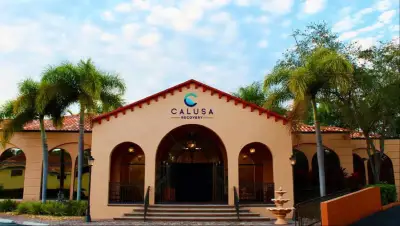
Calusa Recovery

Calusa Recovery

Fort Myers, Florida

Dual DiagnosisOutpatient
Florida Treatment for Change

Florida Treatment for Change

Fort Myers, Florida

Outpatient
Frankies Place Csl and Prev Services

Frankies Place Csl and Prev Services

Fort Myers, Florida

Dual DiagnosisOutpatient
Kimberly ReGenesis Center

Kimberly ReGenesis Center

Fort Myers, Florida

Dual DiagnosisOutpatientDetox

No centers match

Try a different search term

Addiction Treatment in Fort Myers, Florida

Fort Myers, Florida has 4 SAMHSA-verified addiction treatment centers offering a range of evidence-based programs. Florida was an epicenter of the opioid crisis and continues to see high rates of prescription drug misuse and fentanyl deaths.

Available programs in Fort Myers include, 4 outpatient programs, 3 dual diagnosis (co-occurring mental health) programs, and 1 medical detox facility. All listed facilities are sourced directly from the federal SAMHSA National Registry of Substance Abuse Treatment Services.

4
Outpatient Programs
Flexible scheduling
3
Dual Diagnosis
Mental health + addiction
1
Medical Detox
Medically supervised

Insurance Coverage in Fort Myers

Most treatment centers in Fort Myers accept Medicaid, Medicare, and major private insurance plans including Aetna, Cigna, BlueCross BlueShield, and UnitedHealthcare. Under the Affordable Care Act (ACA) and the Mental Health Parity Act, insurance providers are required to cover substance use disorder treatment at the same level as other medical conditions. Call (319) 271-2077 for a free insurance verification — no obligation, completely confidential.

How to Choose a Treatment Center in Fort Myers

When selecting from the 4 treatment options in Fort Myers, consider: the type and severity of the substance use disorder, whether co-occurring mental health conditions require dual diagnosis treatment, your insurance coverage and financial situation, the distance from home and your support network, and the facility's accreditation and evidence-based approach. Our helpline is available 24/7 at (319) 271-2077 to help match you with the right program — free and confidential.

Nearby Cities in Florida

West Palm Beach 4 Port Saint Lucie 3 Jacksonville 2 Lake Worth 2 Orlando 2 Miami 2 Delray Beach 2 Bunnell 2

Need Help Finding Treatment?

Free, confidential assistance matching you with the right program in Fort Myers.

Insurance & Payment

Treatment centers in Fort Myers accept most major insurance plans including Medicaid, Medicare, Blue Cross Blue Shield, Aetna, Cigna, and UnitedHealthcare. Many facilities also offer sliding scale fees and payment plans. Call (319) 271-2077 to verify your coverage before admission.

Frequently Asked Questions

How many rehab centers are in Fort Myers, Florida?
There are 4 SAMHSA-verified treatment centers in Fort Myers, Florida, including 3 dual diagnosis, 4 outpatient, 1 detox programs.
Does insurance cover rehab in Fort Myers?
Yes, most health insurance plans cover addiction treatment under the ACA and Mental Health Parity Act. Centers in Fort Myers typically accept Medicaid, Medicare, and major private insurers. Call (319) 271-2077 to verify your coverage.
What types of treatment are available in Fort Myers?
Fort Myers treatment centers offer 3 dual diagnosis, 4 outpatient, 1 detox. Many also provide medication-assisted treatment (MAT), individual and group therapy, and aftercare planning.
How do I choose a rehab center in Fort Myers?
Consider the treatment approach, insurance acceptance, location convenience, specializations (dual diagnosis, trauma, age-specific programs), and accreditation. All 4 centers listed here are SAMHSA-verified.
Get Help in Fort Myers Today

Free, confidential assistance available 24/7.

Call (319) 271-2077
Call (319) 271-2077
0 centers selected
(319) 271-2077
24/7 confidential · Free assessment

Levels of Care Available in Fort Myers

Outpatient counseling in Fort Myers addresses the lower-intensity end of the continuum — patients in early recovery who've completed higher-intensity programs and need ongoing support, patients with mild substance-use disorders who don't require intensive care, and patients in long-term recovery accessing maintenance therapy. Sessions are typically weekly or bi-weekly, individual and/or group, with content shaped by patient need: relapse-prevention skills, processing of underlying issues, family-system work, or co-occurring mental-health treatment.

Crisis & Family Resources

Pregnant women in Fort Myers with active substance use should not stop opioid use abruptly if dependent — withdrawal during pregnancy carries fetal risk including preterm labor and stillbirth. Evidence-based care is buprenorphine or methadone maintenance (NOT detox), continued through pregnancy and postpartum. Florida maternal-fetal medicine specialists, OB-GYNs trained in addiction medicine, and SAMHSA's Center of Excellence for Pregnant and Postpartum Women with Opioid Use Disorder provide specialized care pathways for this population.

Insurance & Cost

Most Fort Myers treatment providers accept commercial insurance through one of three arrangements: in-network (negotiated rates, lower patient out-of-pocket), out-of-network with benefits (some coverage, higher patient cost-sharing), or self-pay (cash arrangement, often with payment plans). Medicaid coverage varies by individual provider and program type — some facilities accept Medicaid for outpatient but not residential, others accept only commercial. Medicare Part A covers inpatient residential when medically necessary; Part B covers outpatient care including MAT prescribing visits.

Co-occurring Mental-Health Support

Co-occurring mental-health conditions present in roughly half of Fort Myers addiction-treatment patients — anxiety disorders, depression, PTSD, bipolar disorder, attention disorders, and personality disorders interact with substance use in ways that demand integrated treatment. Sequential treatment models (substance use first, mental health later) generally produce worse outcomes than integrated approaches addressing both conditions simultaneously through coordinated clinical teams. Patients should ask Fort Myers providers explicitly about dual-diagnosis capacity during admissions consultation.

Treatment Landscape in Fort Myers

Residents of Fort Myers accessing addiction treatment encounter a treatment system shaped by three federal frameworks: the Mental Health Parity and Addiction Equity Act (insurance parity), the ACA (substance-use disorder treatment as Essential Health Benefit), and 42 CFR Part 2 (heightened confidentiality of substance-use records). These protections apply universally — patients in Fort Myers have the same legal foundations as patients anywhere in Florida or the broader U.S. The differences across providers are clinical (modalities, staffing, programming) and financial (insurance networks, self-pay terms).

Admission Process

Family involvement in Fort Myers program admission typically begins with the admissions call itself — many patients seeking treatment have a family member or partner initiating the contact. Most facilities allow family conversations during the admission process (subject to 42 CFR Part 2 confidentiality), schedule family education or therapy sessions early in treatment, and explicitly involve family in discharge planning. Family-system engagement correlates with better treatment outcomes across the literature.

Aftercare & Long-Term Recovery

Employment re-entry after addiction treatment is a Fort Myers priority that intersects with long-term recovery sustainability. The Americans with Disabilities Act protects employees in recovery from discrimination based on past substance use (current illegal use is not protected). FMLA may apply to treatment-related absences. State vocational rehabilitation services offer career counseling, education funding, and job placement support. Recovery-friendly employer initiatives are emerging in many U.S. markets including Florida.