3 treatment centers

Alaska VA Healthcare System
Anchorage, Alaska
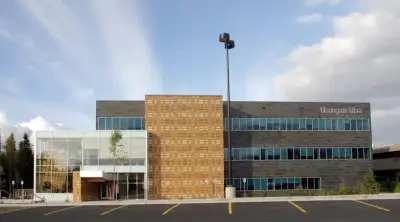
Aleutian Pribilof Islands Association
Anchorage, Alaska

Renew Your Mind
Anchorage, Alaska
No centers match
Try a different search term
3 SAMHSA-listed treatment centers in Anchorage, Alaska. Free, confidential help available 24/7 — most callers reach a licensed counselor in under 60 seconds.
Anchorage, Alaska
Anchorage, Alaska
Anchorage, Alaska
Try a different search term
Anchorage, Alaska has 3 SAMHSA-verified addiction treatment centers offering a range of evidence-based programs. Substance use disorders affect millions of Americans, and access to quality, evidence-based treatment is critical to recovery.
Available programs in Anchorage include 1 residential/inpatient rehab program, 3 outpatient programs. All listed facilities are sourced directly from the federal SAMHSA National Registry of Substance Abuse Treatment Services.
Most treatment centers in Anchorage accept Medicaid, Medicare, and major private insurance plans including Aetna, Cigna, BlueCross BlueShield, and UnitedHealthcare. Under the Affordable Care Act (ACA) and the Mental Health Parity Act, insurance providers are required to cover substance use disorder treatment at the same level as other medical conditions. Call (319) 271-2077 for a free insurance verification — no obligation, completely confidential.
When selecting from the 3 treatment options in Anchorage, consider: the type and severity of the substance use disorder, whether co-occurring mental health conditions require dual diagnosis treatment, your insurance coverage and financial situation, the distance from home and your support network, and the facility's accreditation and evidence-based approach. Our helpline is available 24/7 at (319) 271-2077 to help match you with the right program — free and confidential.
Free, confidential assistance matching you with the right program in Anchorage.
Treatment centers in Anchorage accept most major insurance plans including Medicaid, Medicare, Blue Cross Blue Shield, Aetna, Cigna, and UnitedHealthcare. Many facilities also offer sliding scale fees and payment plans. Call (319) 271-2077 to verify your coverage before admission.
Aftercare for Anchorage patients begins planning during the initial treatment episode, not at discharge. Standard components include: a named outpatient provider with a scheduled first appointment within 7 days, medication continuation plans (MAT, psychiatric medications, medical comorbidities), a sober-housing recommendation if returning home presents relapse risk, introduction to mutual-support communities matched to patient preference (AA, NA, SMART Recovery, Refuge Recovery, LifeRing), and a relapse-prevention plan with named triggers, named coping skills, and named support contacts.
The intake process at most Anchorage residential programs begins with a comprehensive clinical assessment covering substance-use history (substance, quantity, duration, last use, withdrawal history), mental-health history, physical-health status (including medications and chronic conditions), social context (housing, employment, family, legal), and recovery history (prior treatment episodes, what worked, what didn't). The assessment typically takes 60-90 minutes and produces an initial treatment plan within 72 hours.
Federal parity protections extend beyond just coverage existence to specific plan design elements: prior authorization burden, treatment day limits, financial requirements, and non-quantitative treatment limits must all be comparable between substance-use and medical/surgical benefits. Anchorage patients encountering insurer practices that appear to discriminate against addiction-treatment access can file complaints with the Alaska Department of Insurance, the U.S. Department of Labor (for ERISA plans), or the federal Center for Consumer Information and Insurance Oversight.
Addiction treatment access in Anchorage, Alaska, follows the same standards that govern the broader U.S. healthcare system: state licensing for residential and detox facilities, ASAM criteria-based clinical placement, parity-protected insurance coverage under federal law, and integrated mental-health support for the substantial fraction of patients presenting with co-occurring conditions. Anchorage residents typically begin the treatment-seeking process with a verification call to assess clinical severity and insurance benefits, followed by ASAM-aligned placement into the appropriate level of care.
Bipolar disorder requires specific clinical management in Anchorage addiction-treatment settings: medication stabilization typically precedes deeper psychotherapy work, manic-phase substance use must be distinguished from continued substance use during depressive phases, and treatment planning accommodates the mood-cycling nature of the condition. Patients with bipolar disorder benefit from longer treatment episodes and more intensive aftercare than typical residential patients — relapse risk runs higher and clinical stabilization takes longer.
Detox alone — withdrawal management without subsequent treatment — produces poor outcomes across substance categories, with relapse rates approaching 80% in studies of opioid detox-only protocols. Anchorage providers typically integrate detox into a longer treatment episode: detox transitions seamlessly into residential or intensive outpatient care, with same-clinical-team continuity, rather than discharging patients post-detox without structured next-step care. This continuity is the single most impactful predictor of post-treatment success.
Domestic violence intersects with addiction in many Anchorage households. The National Domestic Violence Hotline (1-800-799-SAFE) provides 24/7 support and connects callers to local resources including emergency shelter, legal advocacy, and counseling. Alaska domestic-violence shelters generally accept residents with active addiction; they may require sobriety on premises but do not gatekeep based on substance-use history. Many advocate for integrated treatment addressing both safety and recovery simultaneously.